Legacy System Migration
Legacy System Migration
Industrial controls equipment, like everything else, goes through normal life cycles; they are introduced, they mature, and eventually they become legacy products their developers cut back and then terminate supply of the equipment and its support.
Once a system enters its legacy phase, it becomes difficult to find reliable parts and knowledgeable support for them. Eventually this becomes such an issue that the system will need to be replaced.
Our team is experienced with these issues and offers support for a wide range of Legacy Products. Our clients rely on our team to troubleshoot, modify, and ultimately to provide replacement recommendations for their systems long after all original support avenues have been exhausted.
You Have a Legacy Control System Problem When:
Manufacturer support and spare components are in limited Supply, extremely expensive, or simply not available
Controls engineering knowledge and support to maintain your system or to add new functionality is not available
The resident expert(s) for the system is/are retiring or departing and a replacement cannot be properly trained
Equipment failure rates exceed acceptable limits and negatively impact operations and products
System maintenance budget spending becomes unsustainable
The Legacy System Upgrade Process
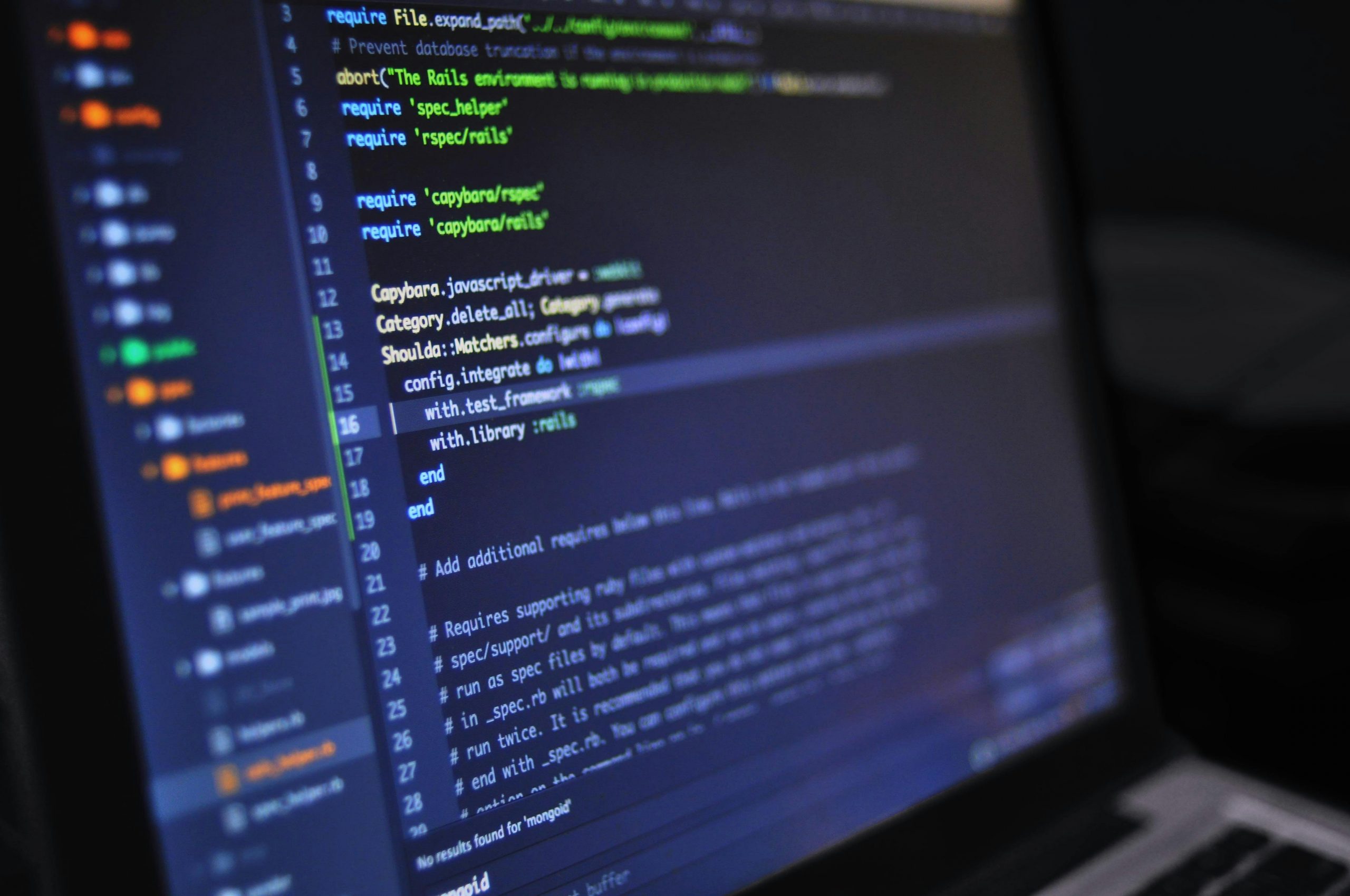
When the decision is finally made to move on to a newer platform using either the latest version from the same vendor or a completely new one, IS has the tools to partner with your team to migrate to a modern system.
IS makes appropriate use of AI-based tools while maintaining quality control to ensure project compliance is achieved.
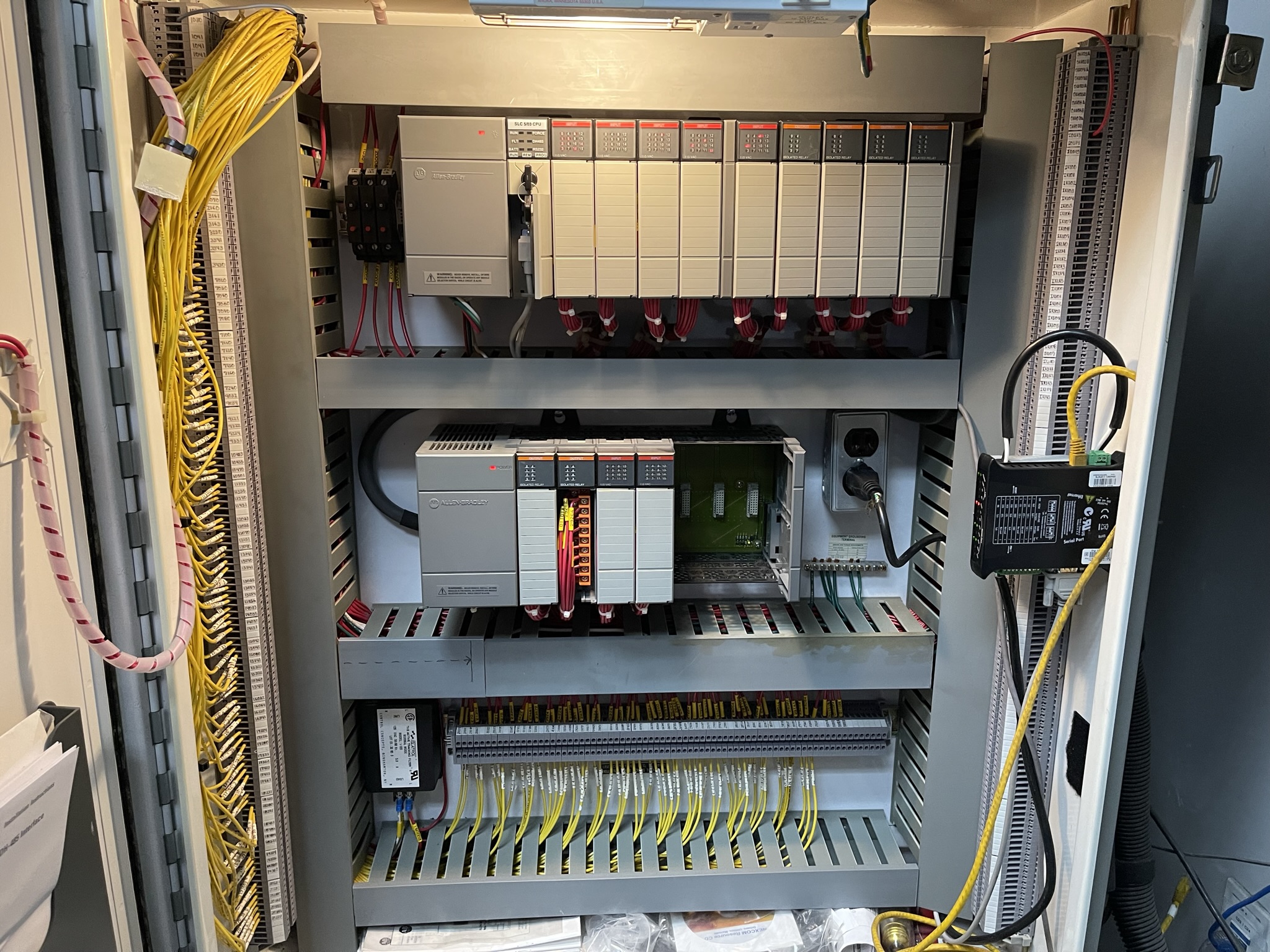
Obsolete SLC-500 System
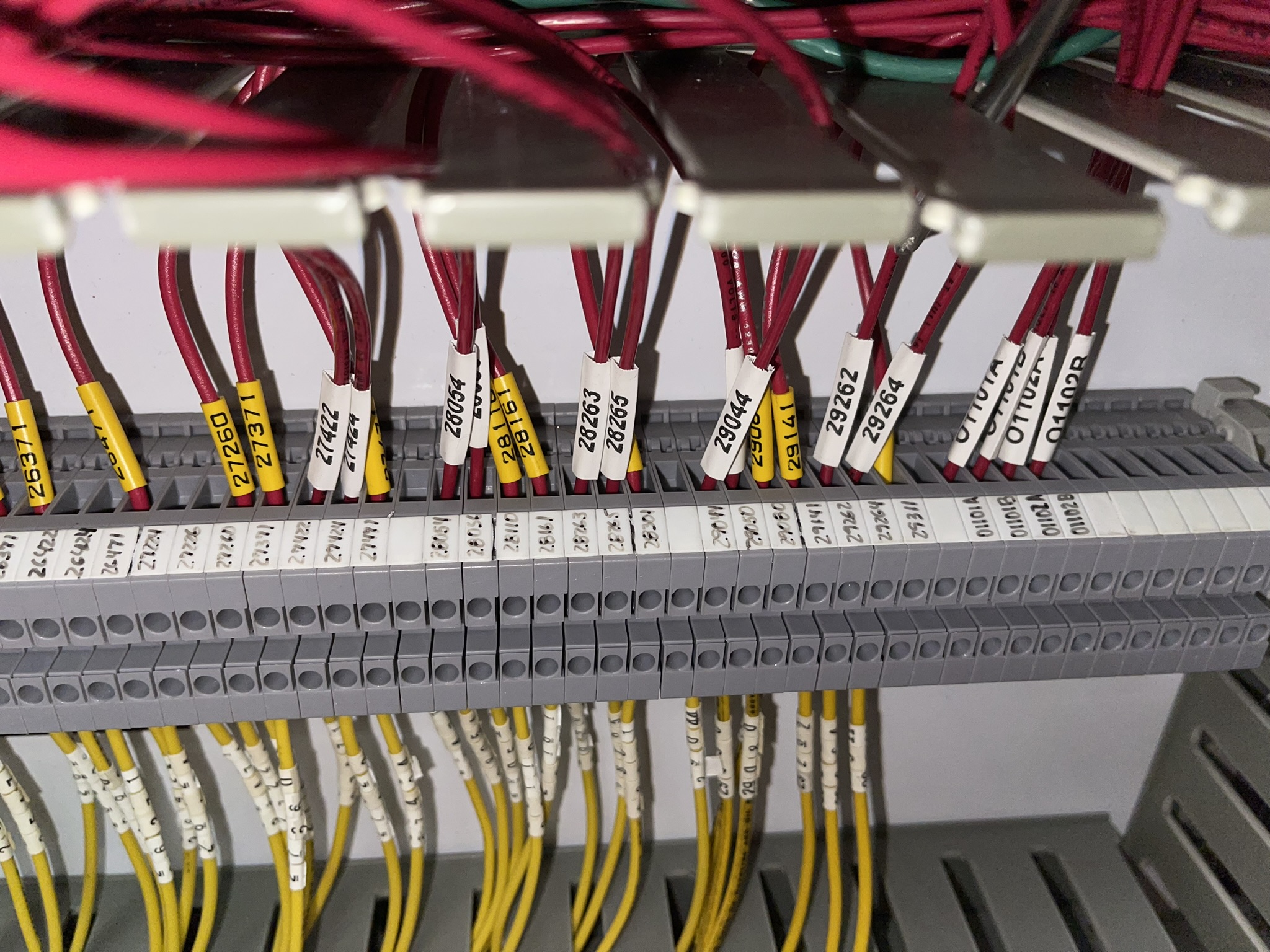
Upgraded CompactLogix System
Considerations to Help Get the Most Out of An Upgrade:
- Can the work be performed with an acceptable return on investment
- Is the system compliant with current standards and regulations
- Will it be difficult to obtain ongoing support and trained staff members for the system
- Is the appropriate machine safety protection in place
- Are hazardous area conditions a concern
- Would newer technologies provide cost effective improvements
- Can the system take advantage of newer instrumentation technology
- What benefits do modern motor and servo controls provide
- How to best integrate the controls into the plant and operational requirements
- Are there opportunities involving networking options and integrating with existing unconnected sub-systems
- Benefits of incorporating independent skid controls into the primary PLC logic to optimize coordination and reduce training and main
- Are there improvements to the control functionality that will relieve previously unaddressed issues